
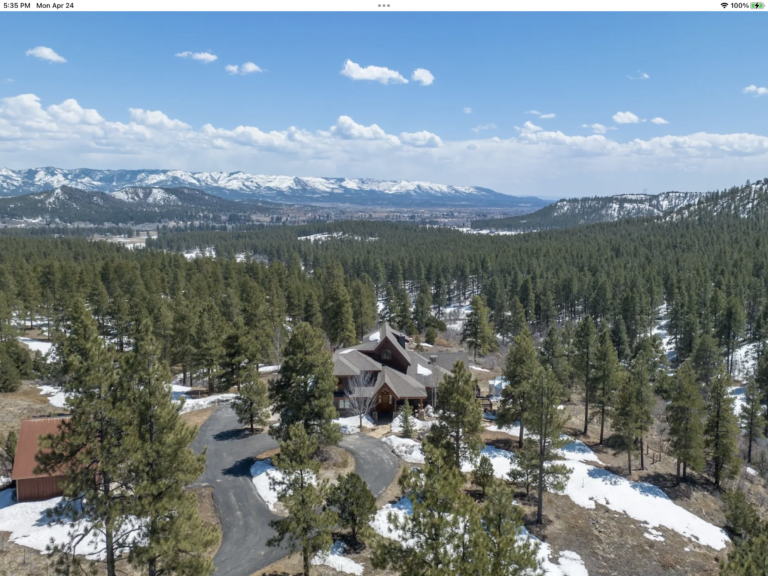
This blog is the first in a series called “Life Lessons of a Durango Homeowner.” It is meant to share the problems and experiences we’ve faced as a vacation homeowner in the Durango area and how we found solutions. While we are not experts, I hope this may be of value to others who face similar challenges.
What we learned the hard way — and where to start if you find yourself in a similar situation
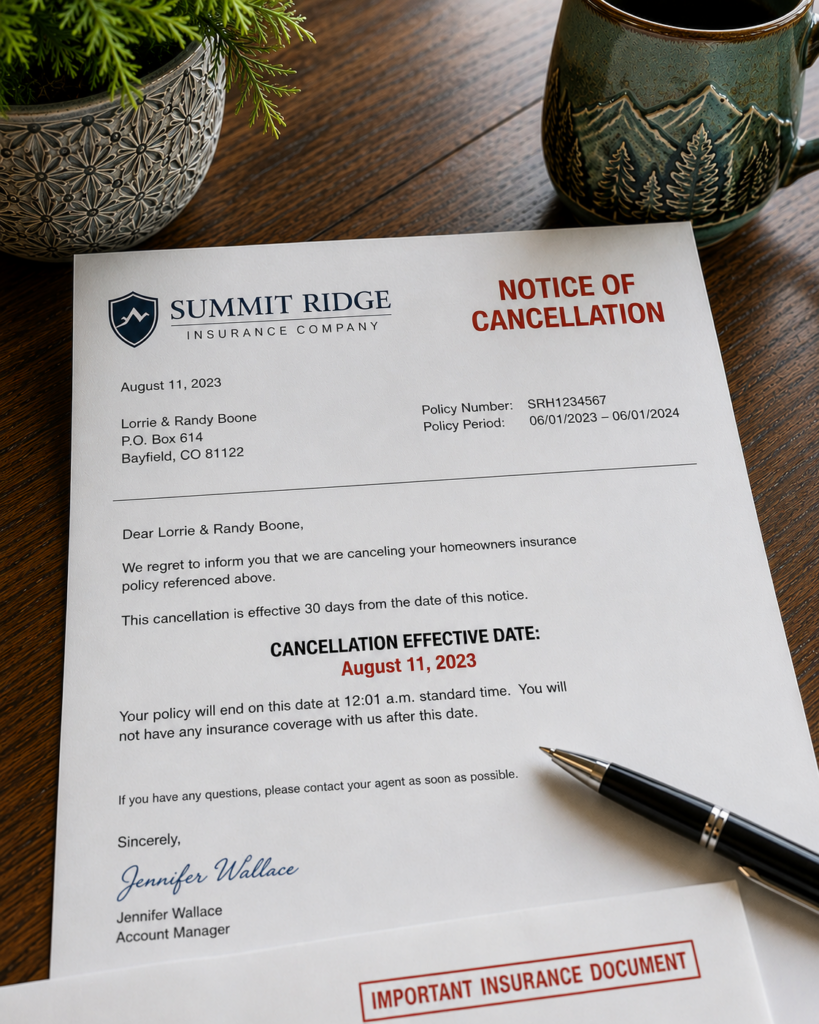
The Letter That Rocked Our World
My husband Randy and I had just returned to Michigan after our first trip to our Durango-area vacation home — barely a month after closing — when the letter arrived.
It was from our insurance company.
They were dropping our homeowner’s policy in 30 days.
We were shocked. Confused. And, if I’m being honest, more than a little panicked. This was our dream home — the place we planned to retire. The largest investment we had ever made. And suddenly, in the middle of fire season, it felt impossibly fragile.
Our home sits on 35 acres of ponderosa pines, just outside of town. Beautiful, private, and — as we were about to learn — sitting squarely in wildfire country.
Our first thought, after “holy crap,” was simple: Now what do we do?
What We Didn’t Understand
Coming from the suburbs of Michigan, we knew nothing about wildfires — let alone what might put a home at risk.
My first instinct was to call the insurance company, hoping for some guidance. What exactly was the issue? Did they have a report, photos, recommendations? Could they point us toward companies who could help — especially since we were over 1,600 miles away?
The answers were limited. What we were hoping would feel like a starting point felt more like a dead end.
So I did what most of us do. I turned to the internet.
There was no shortage of information — but very little of it felt relevant to our specific situation. Most of what I found was either too general, too technical, or didn’t reflect the reality of managing a mountain property from across the country. It was overwhelming in the way that too much information often is, without actually helping us know what to do next. We felt lost and completely overwhelmed.
That’s when I put on what I think of as my strategic planner hat — the one I wore for most of my career before retiring. Instead of continuing to search online, I picked up the phone and called the local fire department.

The Turning Point
After being passed between a few offices and departments, I was eventually connected with the chief of the Upper Pine Fire Protection District. I explained our situation. And then he said something I’ll never forget:
“I’ve got a guy I can send out to take a look.”
In that moment, it felt like a weight had been lifted.
The Help We Needed
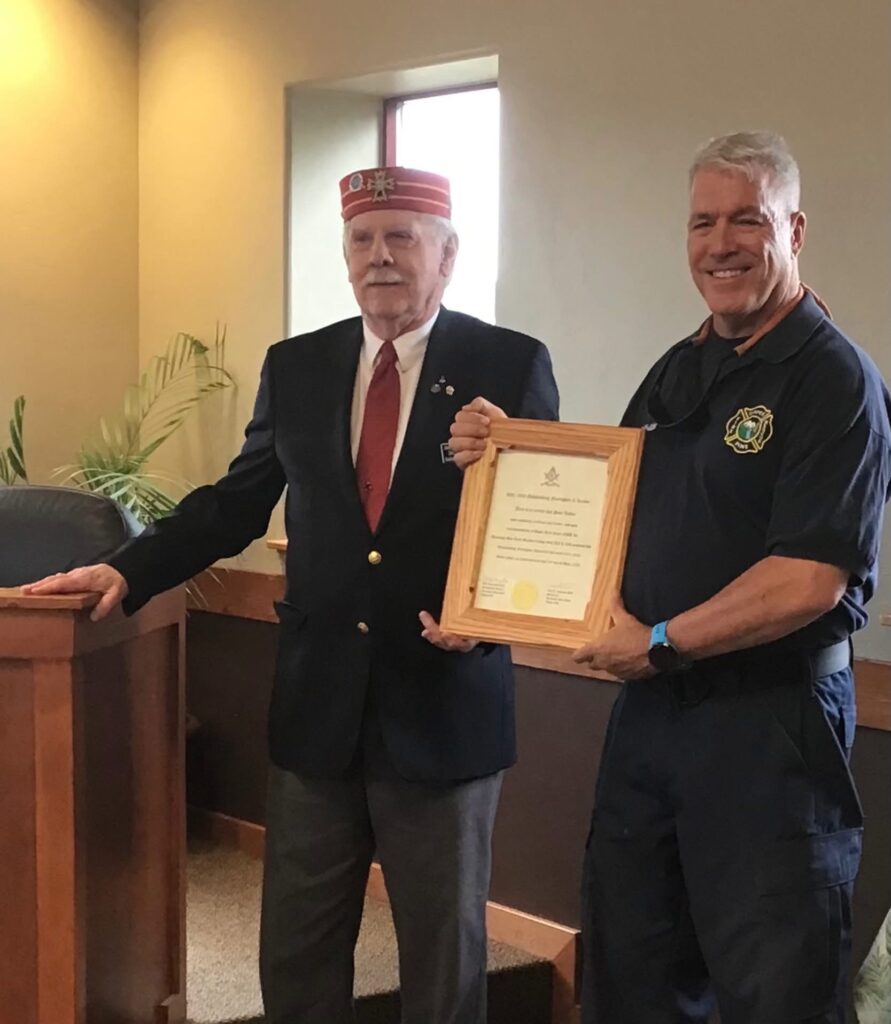
Enter Paul Valdez.
He came out to our property — even though we weren’t in town — and assessed our home through a true firefighter’s lens. Shortly after, he sent us a detailed report, complete with photos, outlining areas of concern and what needed to be addressed. He also introduced us to the 5–30–100 foot guidelines for fire mitigation, something we had never heard of before.
But what made the biggest difference came when we returned a couple of months later. We asked if he would return to meet us in person and walk the property together — taking the time to explain clearly and specifically what needed to be done, and just as importantly, in what order. Paul generously said yes.
He brought printed materials from the Colorado State Forest Service covering defensible space, ember risk, and wildfire action planning — resources we still reference today. He shared names of local fire mitigation companies he trusted. And then he said something that changed everything:
“Call Wendy Most with State Farm. She’s who I use — and the Chief too.”
For the first time since that letter arrived, we didn’t feel helpless. We had a plan.
What We Learned About Wildfire Risk
Looking back, there were several things we simply didn’t know — and wish we had understood sooner.
The first was how fires actually spread. We learned that while wildfires in this region often begin with lightning strikes, they travel through embers — and those embers can move miles, quickly, especially uphill. That was sobering given that our home sits atop a hill on three sides.
The second was how much what’s closest to your home matters. The first priority in protecting a structure is removing fuel within the first five feet — raking out leaves and pine needles, clearing pinecones, rethinking landscaping. We learned that materials like woodchips, and even certain plants like juniper, may look beautiful but are highly flammable. If you’re looking for a place to start, this guide from the Colorado State Forest Service was one of the most useful resources we found: The Home Ignition Zone: A Guide to Preparing Your Home for Wildfire and Creating Defensible Space.
The third lesson came from learning about Gamble Oak. These bushes are highly flammable and often grow beneath larger pine trees — which we have thousands of. If the brush ignites, fire can climb directly into the tree canopy. That’s why clearing undergrowth and limbing up pine branches — typically nine to twelve feet from the ground — is so important.
The fourth thing we learned was about embers specifically. They don’t just land on a roof — they find their way into structures, blowing under decks and igniting from below. We added barriers to our outbuildings to address this. It’s something we never would have thought about on our own. A resource that helped us understand this was Be Ember Aware! Will Your Home Survive When the Embers Arrive?
And the fifth — perhaps the most important — is that fire mitigation isn’t a one-time project. Each year we continue working outward, clearing fuel in the 5–30–100 foot zone around our home. We’ve invested in equipment, including a tractor and brush hog, to manage smaller growth ourselves. For larger work — slope mitigation, tree removal, spacing trees to slow potential spread — we’ve relied on professional fire mitigation companies. Over the past few years we’ve worked with two in particular: Bryan Wendt with Cedar Enterprises LLC (970-769-3438) and Dan Bowman with Woodchuck Tree Service (970-403-5647). Both have been genuinely helpful, and having trusted local resources has made a real difference.
If you’d like help thinking through what to do if a wildfire threatens your area, this resource helped us build an actual plan: Wildfire Action Plan: Are You Ready?
A Final Thought
If there’s one thing we took away from this experience, it’s that we didn’t have to figure it out alone. There are people in this community who truly understand wildfire risk — and who are willing to help. For us, the biggest shift was simply knowing where to start.
Getting informed. Asking the right questions. And listening to the experts, even when the recommendations weren’t always what we wanted to hear.
Some of them still aren’t. Raking pinecones is not exactly how I imagined spending time at our mountain home.
But neither is the alternative.
If you’re navigating something similar, my encouragement is simply this: start the conversation. Find the right people. And take it one step at a time.
© 2026 Durango Holiday Home LLC. All rights reserved.